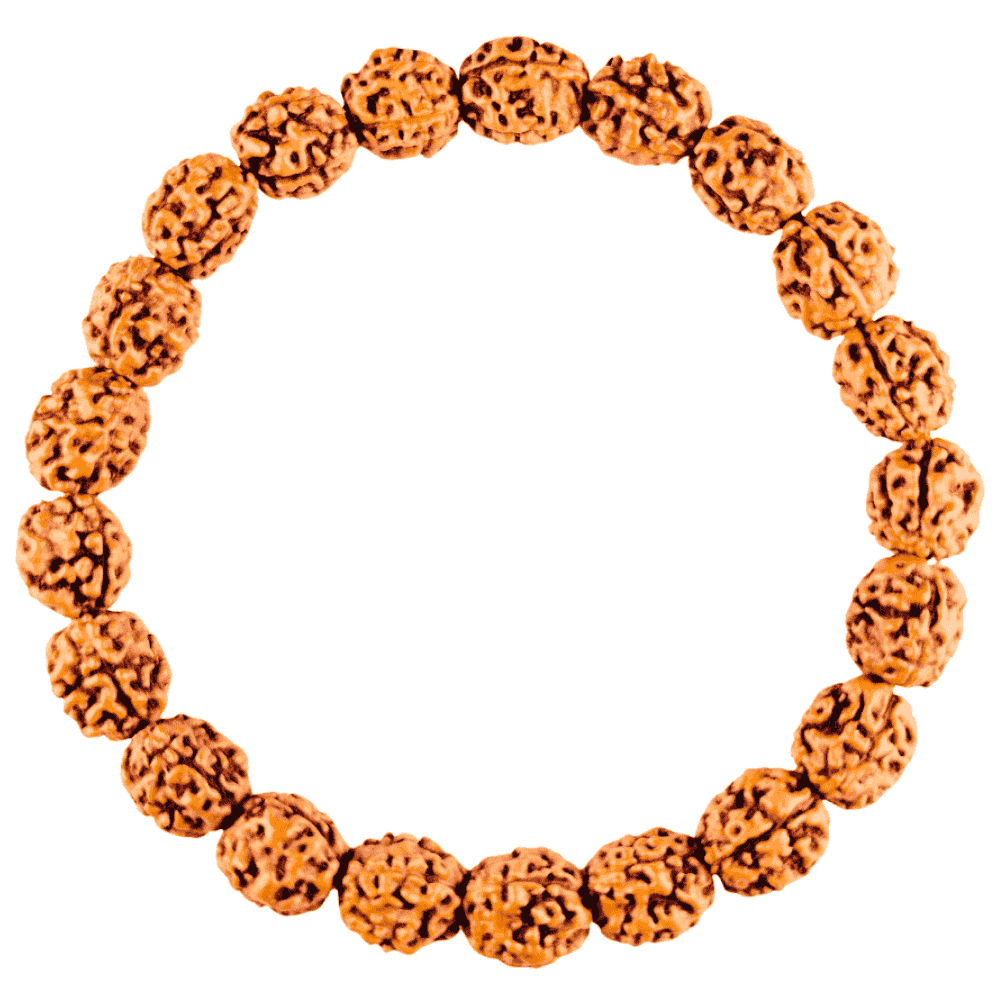

Rudraksha Mala Benefits
Rudraksha mala benefits encompess a lot of things and is relating to its use for japa or chanting. The benefits of doing japa with rudraksha mala include the following.
-
Mental Clarity – Reduces overthinking, sharpens focus.
-
Stress Relief – Calms the nervous system and anxiety.
-
Spiritual Awakening – Raises vibration and opens higher awareness.
-
Emotional Healing – Dissolves fear, anger, and emotional blockages.
-
Inner Peace – Leads to deeper states of stillness and joy.
-
Discipline & Patience – Builds consistency in spiritual growth.
-
Energizes the Mala – Rudraksha beads become spiritually charged with your mantra.
What is a Rudraksha Mala?
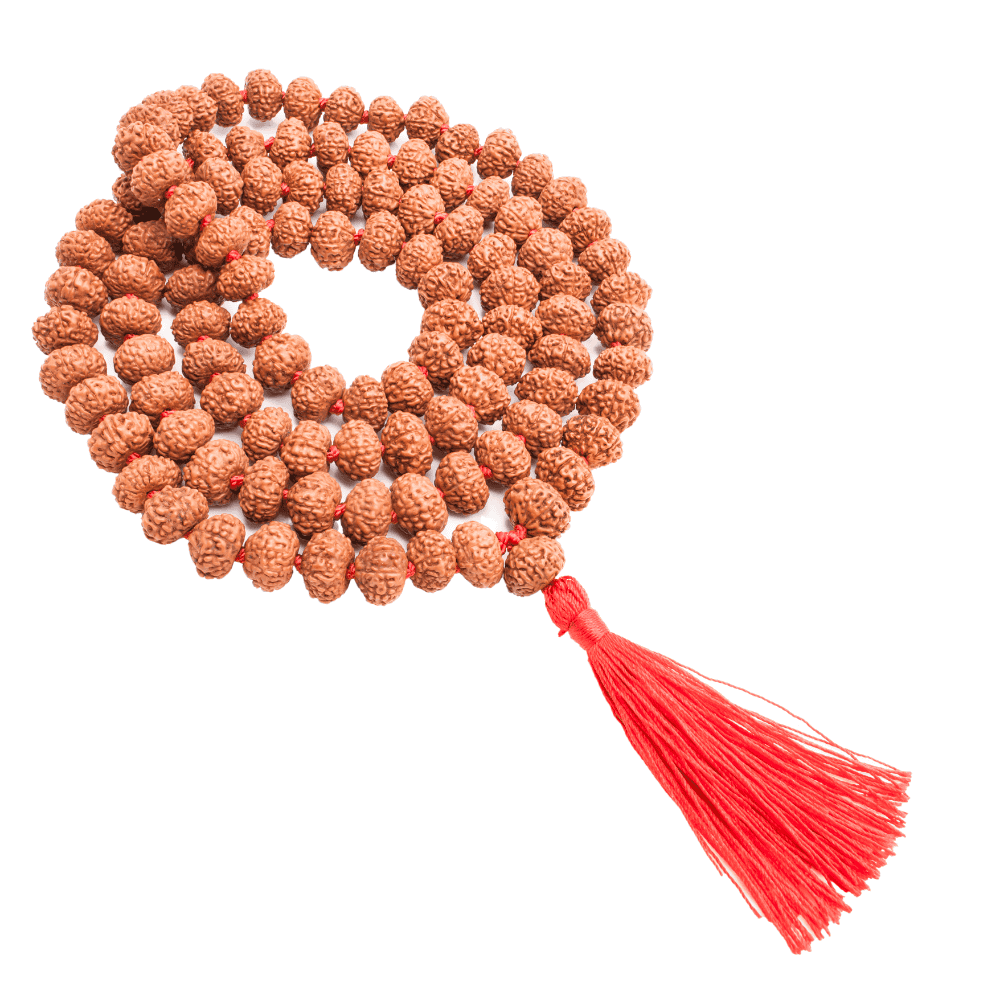
A Rudraksha mala is a string of prayer beads used for japa (repetition of mantra), meditation, or simply as a spiritual tool. Traditionally, a mala consists of the following.
-
108 beads (the sacred number in spirituality).
-
1 guru bead (to signify the end/start of the cycle).
The beads in a mala are often knotted or capped for durability.
Rudraksha is a sacred seed derived from the Elaeocarpus ganitrus tree, mostly found in Indonesia, India, and Nepal. It is believed to be the tear of Lord Shiva and is revered in Hinduism and other spiritual traditions.
These beads carry powerful vibrational energy that supports the following.
-
Meditation.
-
Emotional healing.
-
Mental clarity.
-
Protection from negativity.
Rudraksha Mala Benefits - According to Scriptures
According to ancient texts like the Shiva Purana and Skanda Purana, wearing Rudraksha beads amplifies their spiritual power. The scriptures state that it does so especially when it is worn close to the skin or heart. Not only does this allow for direct energy transmission, but it also supports daily mantra practice and serves as a protective spiritual shield.
Wearing Rudraksha beads as a mala amplifies their benefits by allowing the following.
-
Constant energy flow through skin contact.
-
Easier mantra chanting and counting.
-
Strengthened spiritual discipline.
Scripture Reference of Rudraksha Mala Benefits
The following states verses from the scriptures regarding Rudraksha Mala.
- Shiva Purana – Rudraksha Mahatmya.
- "Darśanāt sparśanāt dhāranāt pāpa nāśanam".
- Just by seeing, touching, or wearing Rudraksha, one’s sins are destroyed.
- Shiva Purana, Vidyeshvara Samhita, Chapter 25.
- This verse highlights direct contact with the body as powerful for spiritual purification. This implies Rudraksha must touch the skin for full energetic effect. Hence, supporting the idea of wearing it as a mala.
- Shiva Purana – Rudraksha Mahatmya.
- “Hridaye rudrākṣa-dhāraṇaṁ sarva-rakṣākaraṁ bhavet”.
- Wearing Rudraksha on the chest provides complete protection.
- This aligns beautifully with the modern interpretation that Rudraksha worn on the heart area becomes a spiritual shield or energetic armor.
- The Skanda Purana.
- It is one of the major Puranas and has a dedicated section on the sacredness of Rudraksha beads and mala.
- “Japa mālāṁ tu rudrākṣaiḥ śata-aṣṭaka-samanvitām। Pūjā-kāle dharec caiva śuddha-bhāvena bhaktitaḥ”.
- A japa mala made of Rudraksha with 108 beads should be used during worship with devotion and purity.
- Skanda Purana, Rudraksha Mahatmya, Chapter 3.
- This affirms the 108 bead count used for japa.
- the Brahmanda Purana.
- “Japo jñeyaḥ sa saṅkhyāto mālā-yuktaḥ śubhaḥ smṛtaḥ।”.
- Japa that is counted using a mala is considered especially auspicious.
- While not naming “mala” specifically, it affirms the use of bead counting during japa.This implies the sanctity of mala-based japa over random or uncounted repetitions.
- The Padma Purana (Patala Khanda).
- “Rudrākṣāṇāṁ śatāni aṣṭau japamālāṁ prakīrtitām।”.
- A garland of 108 Rudraksha beads is recommended for chanting purposes.
- It supports the sacred number 108 as the traditional japa count.
- Shiva Purana – Rudraksha Mahatmya, Vidyeshvara Samhita.
- “Japo japena saṁsiddho dhāraṇena mahāphalaha। Rudrākṣaṁ śaṅkara-sthāne sthāpyaṁ śuddhena cetasā॥”.
- Rudraksha beads give great results when energized by japa and kept near a Shiva Lingam.
- Place Rudraksha near a Shiva Lingam and chant mantras to recharge its energy.
-
Japa Yoga by Swami Sivananda.
- “The rosary or mala used for japa should contain 108 beads, and one extra bead called the Guru bead. This bead is not crossed during the counting but used to reverse the direction.”
Types of Rudraksha Mala and their Benefits
There are various types of malas, each serving a specific purpose.
1. Based on Mukhi (Facets).
-
12 Mukhi – Balances emotions and relationships.
-
5 Mukhi – Most common, promotes peace and focus.
-
7 Mukhi – Wealth and prosperity.
-
9 Mukhi – Courage, protection.
For complete explanation on all the benefits & meanings of each Rudraksha mukhi, please refer here.
2. Based on Bead Size & Origin.
-
Small (Java origin) – Subtle energy, good for daily wear.
-
Large (Nepal origin) – Stronger vibration, often used for deeper meditation.
3. Based on Purpose.
-
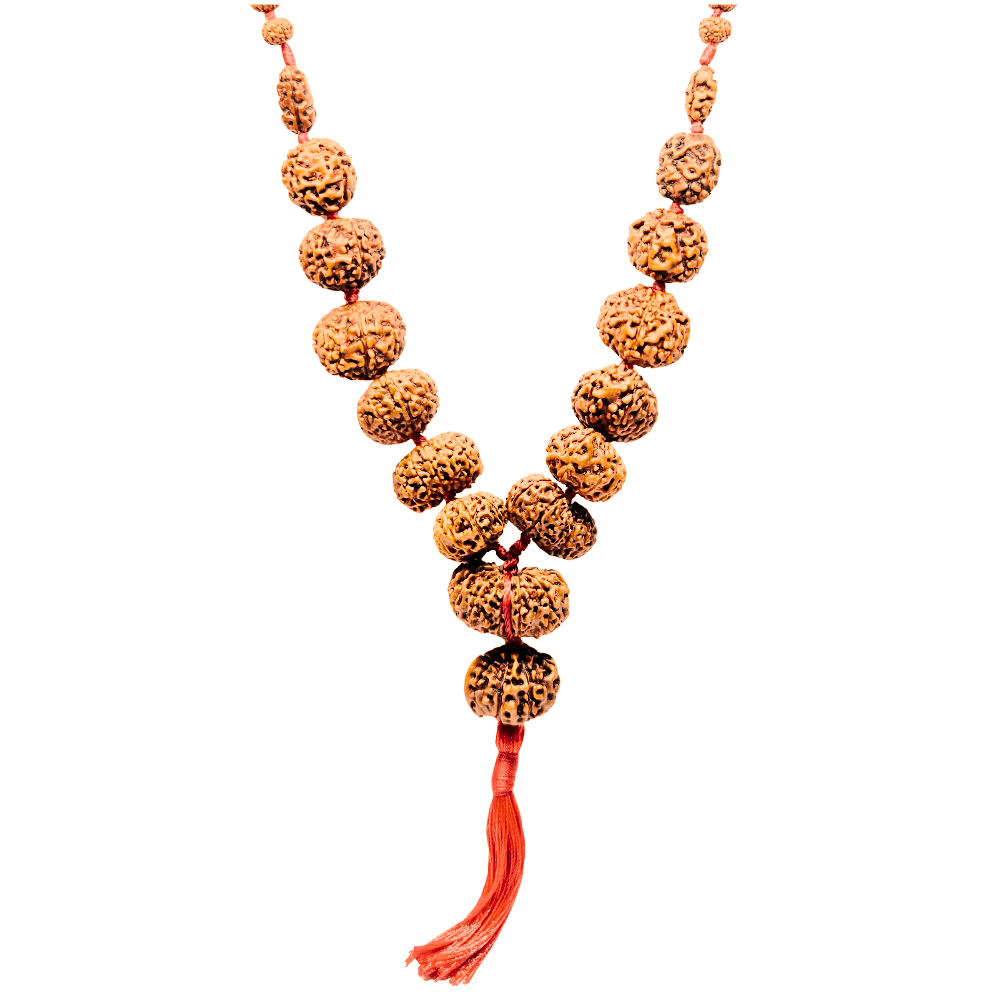
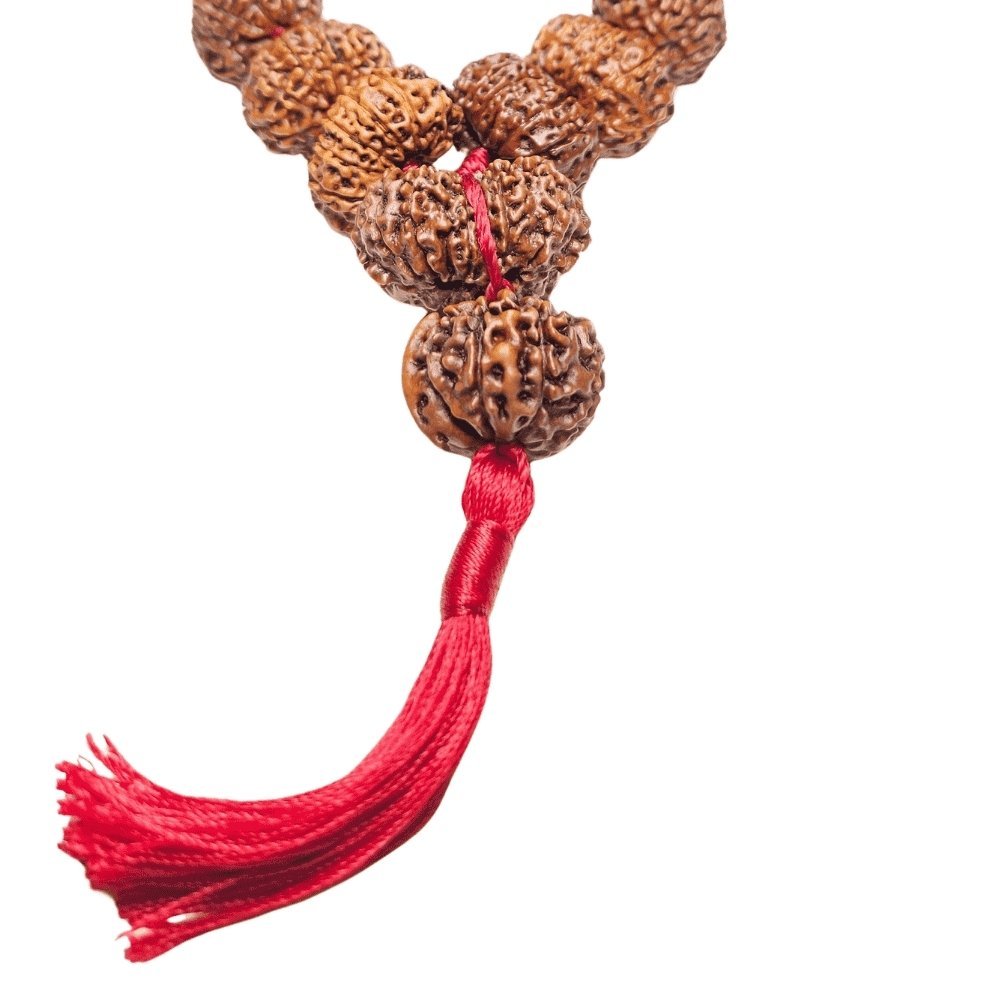
Siddha Mala – Combination of multiple Mukhi beads.
-
Japa Mala – For mantra repetition.
-
Healing Mala – For physical or emotional support.
Nepali & Indonesian Rudraksha Mala Benefits & Characteristics
While both are authentic and powerful, they differ in physical characteristics and energetic expression.
Nepali Rudraksha.
-
Larger in size (typically 20–30mm per bead).
-
Stronger energy vibration – ideal for intense spiritual practices.
-
Thicker and more defined Mukhi lines.
-
Preferred for deep meditation, siddha malas, and advanced sadhaks.
-
Rarer and more expensive due to limited harvest and demand.
It is considered to be best for serious spiritual practitioners and those seeking faster results.
Indonesian (Java) Rudraksha.
-
Smaller size (5–10mm per bead), lightweight and compact.
-
Subtle, gentle energy – good for daily wear and beginners.
-
Smooth surface with finer Mukhi lines.
-
Ideal for malas worn under clothing or for aesthetic purposes.
-
More affordable, widely available, and easier to string.
It is considered to be best for daily wear, students, working professionals, and anyone looking for balance and peace in daily life.
Which Rudraksha Is Better?
There is no “better” Rudraksha — it depends on your intention and comfort.
How to Use Rudraksha Mala
You can use Rudraksha malas in the two following ways.
1. For Meditation or Chanting (Japa).
-
Hold the mala with your right hand.
-
Use your thumb to rotate each bead.
-
Chant your chosen mantra 108 times.
2. For Daily Wear.
-
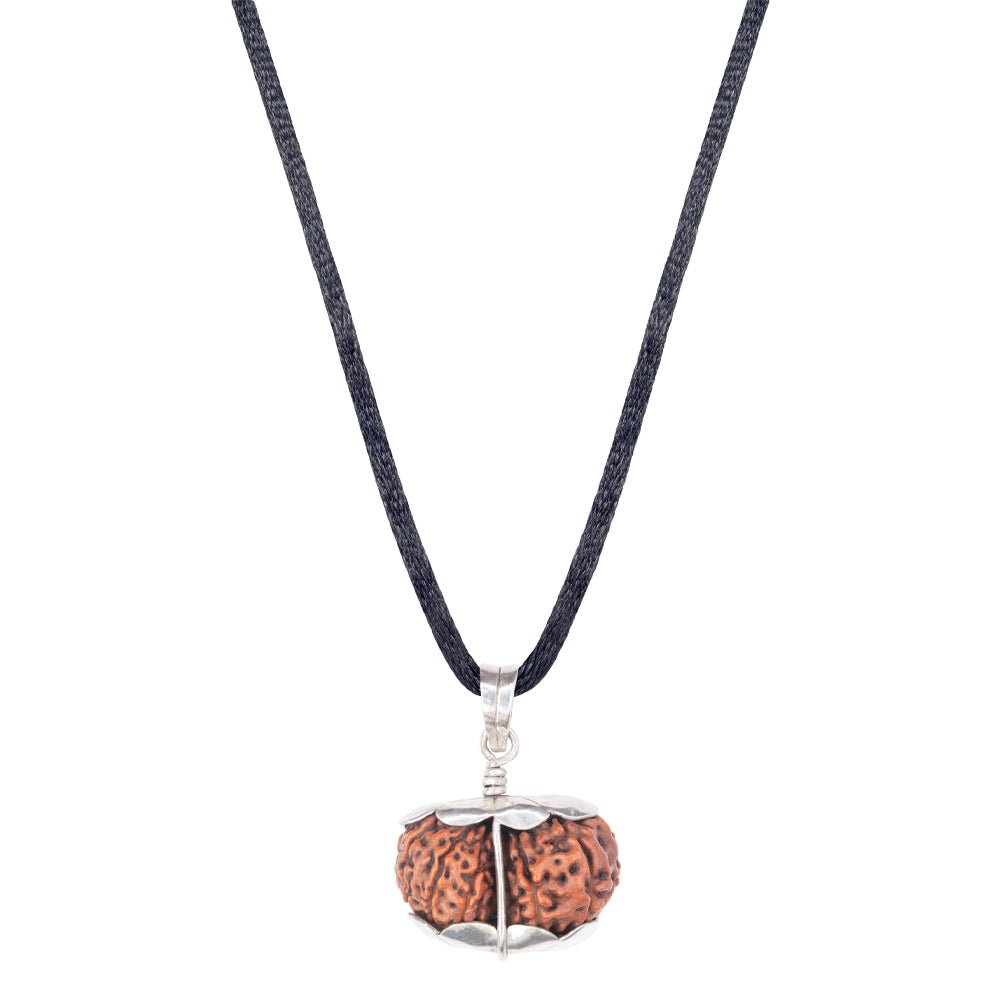
Wear around the neck or wrist.
-
Set a spiritual intention or affirmation.
-
Let the energy work passively throughout the day.
What Is Japa?
Japa (also spelled Japaa) is a spiritual practice of repeating a mantra or divine name. It can be done either silently in the mind, whispered, or spoken aloud. It is a key part of many yogic, Hindu, Buddhist, and other spiritual traditions.
Meaning of the Word "Japa".
The word Japa comes from the Sanskrit root “jap”, which means the following.
-
To repeat.
-
To utter softly.
-
To meditate upon.
So, Japa is the repetition of sacred sound to focus the mind, awaken spiritual awareness, and connect with higher consciousness.
How Japa Is Done.
Japa is typically performed using a mala (prayer bead string), most commonly with the following number of beads.
-
108 beads (traditional full mala).
-
27 or 54 beads (shorter wrist malas).
Each repetition of the mantra is counted on a bead as the fingers rotate through the mala.
Common Mantras Used in Japa.
-
“Om Namah Shivaya” – for Lord Shiva.
-
“Om Mani Padme Hum” – in Tibetan Buddhism.
-
“Ram Ram”, “Hare Krishna”, or “Gayatri Mantra” – in Hindu paths.
-
It can be any mantra, any affirmation or any name of God/higher power, as per your belief system or Guru’s guidance.
Types of Japas.
-
Silent (Manasika Japa) – in the mind.
-
Whispered (Upamsu Japa) – softly to yourself.
-
Chanted (Vaikhari Japa) – aloud for energy and focus.
Japa is not limited by religion. It is a universal practice for centering the mind, opening the heart, and experiencing inner stillness. Anyone can start, anywhere, anytime.
Japa Meditation with Rudraksha Mala
When Mantra Japa is done with a Rudraksha mala, its power is multiplied.
How to Sit for Japa – Posture & Position
Your sitting posture during Japa affects your energy and concentration. Here's how to prepare.
Ideal Sitting Positions.
-
Padmasana (Lotus pose) or Sukhasana (cross-legged) for stability.
-
Sit on a clean mat or woolen cloth – never directly on the floor to avoid energy loss.
-
Keep your spine erect, shoulders relaxed, and neck straight.
-
Eyes can be closed or softly gazing downward to avoid distraction.
Hand & Mala Position.
-
Hold the Rudraksha mala in your right hand.
-
Use thumb and middle finger to rotate the beads.
-
The mala should rest on the middle finger, not touch the index finger.
-
Keep the mala at chest level or slightly below; avoid lifting it above your head.
Don’ts During Japa
-
Avoid distractions – Don’t talk, eat, or use a phone during chanting.
-
Avoid using the mala during the following.
-
when visiting restrooms.
-
while drinking alcohol.
-
during physical intimacy.
-
when going for funerals.
-
during hot/warm water showers which use chemical soaps.
-
while sleeping.
-
Don’t let others use your Japa mala – It carries your energy and should remain personal.
How Many Times Should You Chant?
-
108 times is the traditional count using a full mala.
-
Beginners may start with 27 or 54 repetitions and gradually build consistency.
When to Do Japa – Best Timing.
The most spiritually powerful times to do Japa are the following.
-
Brahma Muhurta or the ambrosial hour (4–6 AM) – The mind is quiet and the environment is pure, is believed to be the best time for mindfulness practices.
-
Sandhya kaal or sunset hours (6–7 PM) – Helps unwind and center yourself.
-
Anytime during the day when your mind is calm and alert can still be effective.
Consistency is more important than time – try to chant at the same time daily.
Step-by-Step Japa Practice.
Here’s a simple, guided routine for beginners or experienced practitioners.
-
Cleanse yourself (optional bath or wash hands/feet).
-
Light a diya or incense in your meditation space.
-
Sit in a steady, comfortable posture, with spine straight on a mat.
-
Chant a short prayer or offer gratitude to your guru or deity or higher power, as per your belief system.
-
Hold the mala in your right hand.
-
Begin chanting your mantra (e.g., Om Namah Shivaya, Om Hreem Namah).
-
Rotate one bead per repetition, don’t skip or cross the guru bead.
-
After 108 repetitions, pause, sit quietly for 1–2 minutes, and end with gratitude.
Set a clear intention before starting. Even 5 minutes of focused Japa is more powerful than 30 minutes of distracted chanting.
Beginner's Guide to Starting Japa
If you're new to Japa, here’s how to start.
Start Simple.
-
Choose a short, meaningful mantra (e.g., Om Namah Shivaya).
-
Begin with 11, 27, or 54 beads, and slowly build up to 108 daily.
Be Consistent.
-
Practice daily, even if just for 5–10 minutes.
-
Choose the same time and place to form a habit.
Let Go of Expectations.
-
You may not feel results immediately — that’s okay.
-
Stay patient and allow the mantra to work through you over time.
Recommended Malas to Begin Your Japa Journey.
-
5 Mukhi Rudraksha Mala – Ideal for beginners and daily practice.
-
Siddha Mala – For advanced seekers seeking holistic spiritual elevation.
-
Alternatively you can select a specific Mukhi Rudraksha or a combination Mukhi Rudraksha, as per your goal or needs or guidance that you get from your guru. For complete explanation of different Mukhi Rudraksha, please refer here.
How to Take Care of Your Rudraksha Mala
According to traditional texts like the Shiva Purana, Rudraksha beads are sacred and must be handled with respect.
To maintain their energetic potency and physical integrity the following is essential.
- Oiling with natural sattvic oils (like ghee or sandalwood).
- Keeping away from harsh chemicals.
- Avoiding heat.
- Re-energizing near a Shiva Lingam or through mantra chanting.
Who Wears Rudraksha Mala?
Rudraksha malas are worn by spiritual seekers, yoga practitioners, business professionals seeking mental clarity, healers and energy workers, and anyone on a journey of self-discovery. From monks to entrepreneurs, wearing Rudraksha is no longer limited to religious traditions.
Mala in Different Cultures
While Rudraksha malas are rooted in Hindu tradition, the use of prayer beads spans across many cultures and religions.
Hinduism
-
Rudraksha mala is used to chant mantras like “Om Namah Shivaya.”
-
Usually made of 108 beads plus 1 guru bead.
-
Rudraksha mala benefits include protection, meditation, and spiritual discipline.
Buddhism
-
Known as “Buddhist mala” or “Japa mala.”
-
Typically made from sandalwood, bodhi seeds, or gemstones.
-
Used for counting mantras like “Om Mani Padme Hum.”
Christianity
-
The Rosary in Catholicism functions similarly.
-
Used for prayers like Hail Mary and the Lord’s Prayer.
-
Usually consists of 59 beads.
Islam
-
Tasbih or Misbaha, often made of 99 or 33 beads.
-
Used to recite the 99 names of Allah or phrases like “Subhanallah.”
Sikhism
-
Mala (called Simran mala) is used in Naam Simran (remembrance of God).
-
Focuses on internalizing divine presence through repetition.
Across all these traditions, the core purpose remains the same. Connecting with the divine, calming the mind, and deepening spiritual awareness.
How to Choose the Best Rudraksha Mala for Yourself
Choose based on your intention, energy, and comfort.
- For peace & mental clarity – 5 Mukhi mala.
- For wealth & abundance – 7 or 13 Mukhi mala.
- For health & immunity – Gauri Shankar or 6 Mukhi mala.
- For meditation – Japa mala with 108 beads.
- For all-round spiritual growth – Siddha Mala.
Trust your intuition – often the mala you’re drawn to is the one you need.
For complete explanation on Rudraksha please refer here, and to help you choose which Rudraksha is best for you, please refer here.
Explore authentic hand-crafted malas at 👉 Rudraksha Indonesia